
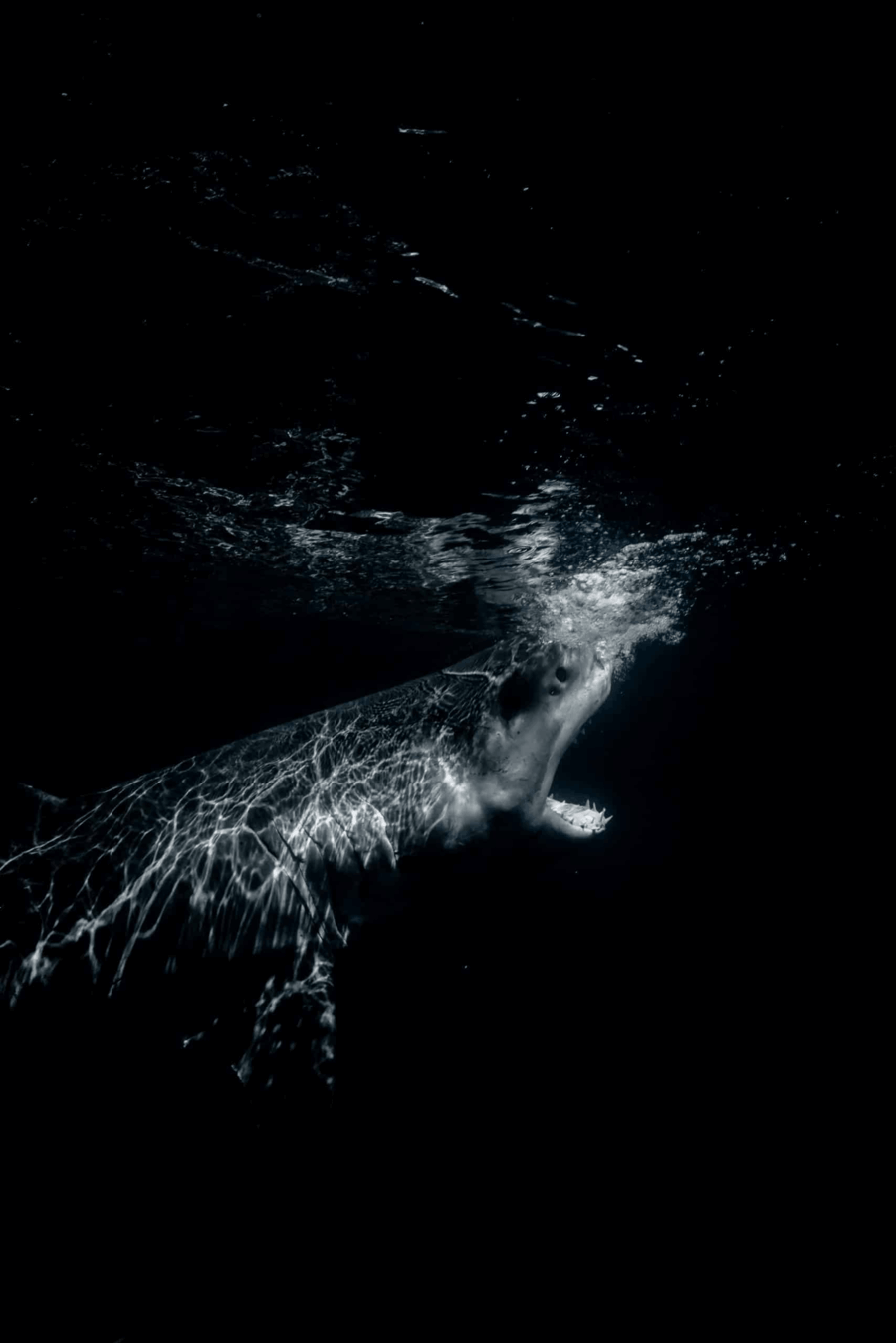
There’s a moment when you enter an underwater cave where everything changes.
The world goes quiet. Light disappears. Your breathing becomes the loudest sound you hear.
And then — if the conditions are right — a single beam of sunlight cuts through the darkness and transforms the entire cave into something cinematic.
That’s the moment underwater cave photography lives for.
It’s one of the most technically demanding environments a photographer can work in, but when everything aligns — the light, the diver, the composition — the images feel almost otherworldly.
What Makes Cave Photography So Unique
Unlike open-water diving, caves create an environment where light behaves dramatically differently.
Instead of soft ambient light from all directions, caves create extreme contrast between darkness and illumination.
When sunlight enters through openings in the ceiling — common in cenotes and sinkholes — it creates dramatic light shafts that feel almost like stage lighting.
For photographers, that contrast is what makes cave images so powerful.
You’re not just documenting an environment.
You’re capturing a moment where light and darkness collide.
The Gear Required for Cave Photography
Cave photography demands equipment that can handle both darkness and water pressure.
Most underwater cave photographers rely on a few essential tools:
Underwater camera housing
A sealed housing protects the camera and allows full control of settings underwater.
Wide-angle lenses
Caves are tight environments, and wide lenses help capture the full scale of the space.
Powerful dive lights or strobes
Lighting is critical. Artificial lights allow photographers to illuminate textures in cave walls and create depth in otherwise dark environments.
Redundant dive equipment
Safety comes first in cave diving. Backup lights and redundant systems are standard practice.
Working With Light Inside Caves
Light is the defining element of cave photography.
When sunlight enters through a surface opening, particles in the water scatter the light into visible beams. Those rays create the dramatic visuals most people associate with cave images.
To capture this effect, timing matters.
Midday sun usually produces the strongest beams because the light enters the water more directly. Clear water conditions also help amplify the effect.
Photographers often position a diver inside the beam to create scale and silhouette.
The result is a frame that feels almost cinematic.
Safety Comes Before the Photograph
Cave diving is not a casual environment.
Unlike open water, caves don’t allow a direct ascent to the surface. That means every dive requires careful planning and training.
Most cave photographers work within strict safety protocols that include:
- guideline navigation systems
- redundant air supplies
- multiple light sources
- formal cave diving certification
Photography always comes second to safety.
The best images happen when the dive itself is controlled and deliberate.
Composition Techniques for Cave Images
Composition inside caves often relies on three visual elements:
Silhouettes
Divers framed against beams of light create dramatic shapes that highlight the scale of the environment.
Leading lines
Cave walls, stalactites, and rock formations guide the viewer’s eye deeper into the frame.
Scale
Including a diver or swimmer gives the viewer a sense of how massive these underground spaces can be.
Without a subject, caves can feel abstract.
With one, they become a story.
Some of the Best Locations for Cave Photography
Certain parts of the world are famous for underwater cave systems.
A few of the most photogenic locations include:
Mexico’s Yucatán Peninsula
Home to thousands of cenotes and some of the clearest water on Earth.
Florida’s freshwater cave systems
A favorite among technical divers.
Bahamas blue holes
Deep vertical caves with incredible visibility.
Each environment produces its own unique lighting and textures.
Why Cave Photography Feels So Cinematic
What makes cave images so powerful is the contrast.
Darkness surrounds the subject, while narrow beams of light isolate the scene like a spotlight.
It’s a visual language that feels closer to cinema than traditional photography.
And when everything comes together — the diver, the light, the silence of the cave — the resulting frame captures something few people ever get to see.
A hidden world beneath the surface.